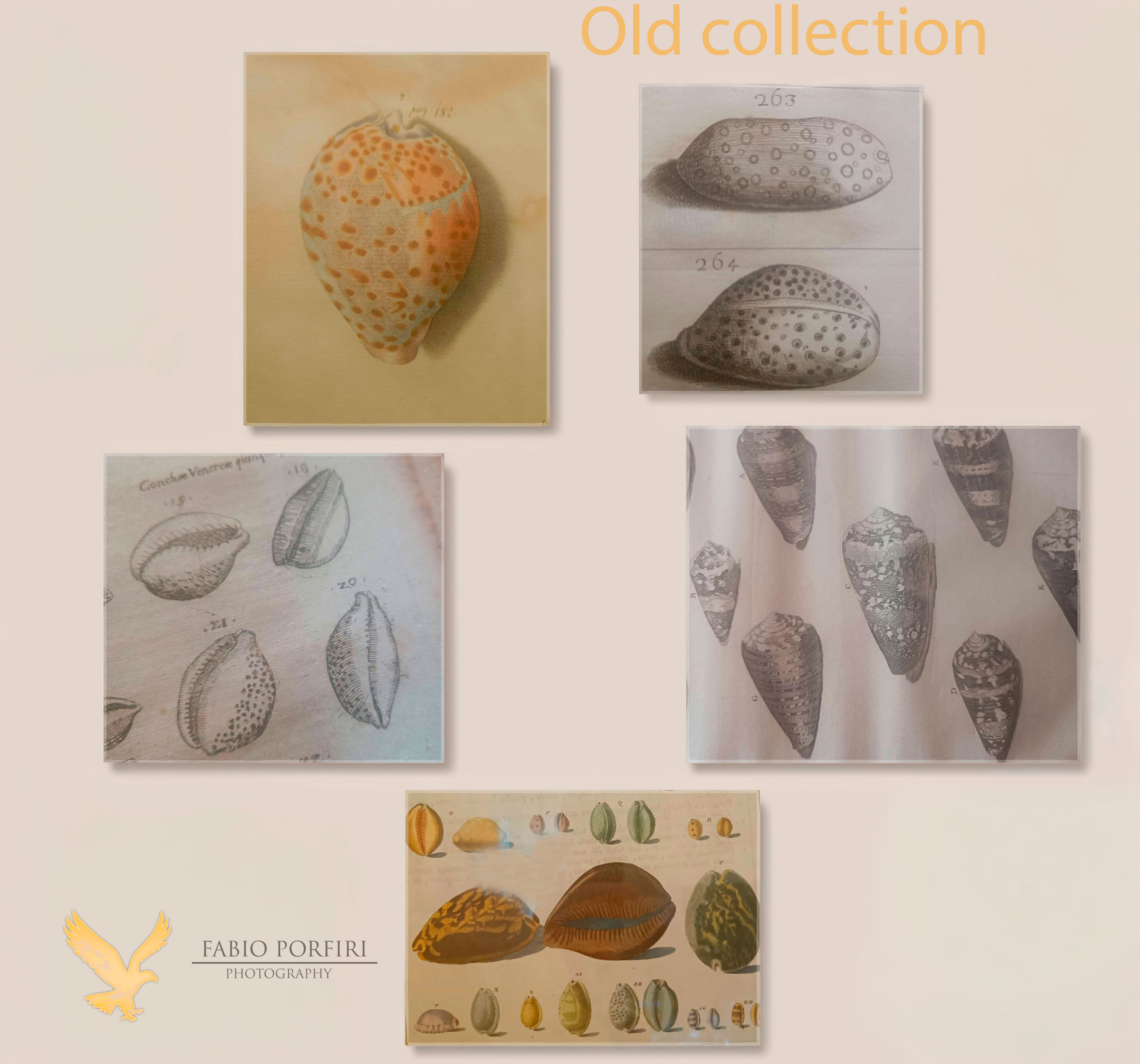
Prima di scrivere della pantherina catulus è opportuno andare indietro nel tempo e parlare della “sorella” . La più conosciuta cypraea tigris .
Before writing about the Pantherina catulus, it is appropriate to go back in time and talk about its “sister”, the better known Cypraea tigris.
Cypraea tigris Linnaeus 1758
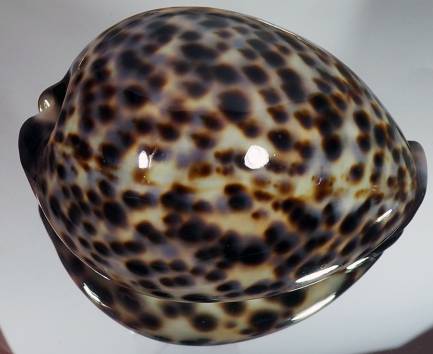
Chi di voi non conosce questa conchiglia di forma quasi sferica (che sta in una mano come diceva Bonanni già nel 1600) lucida, e con una apertura sotto circondata da denti. Sicuramente molti di voi l’hanno vista o in un mercatino estivo con sopra inciso un nome, o un segno zodiacale . Già nel 1648 Bonanni scriveva delle Veneree, (una antico nome di queste conchiglie), e scriveva, che secondo il racconto di Mutiano citato da Plinio, furono dedicate a Venere (per la bellezza) e appese nel suo tempio a Gnido.Mutiano le chiamava anche “remore” perché si credeva che avevano il potere di ritardare “remorare” le navi, infatti Mutiano cita una storia della nave inviata da Periandro,tiranno di Corinto,i cui occupanti furno “ritardati” proprio da queste conchiglie attaccate alla carena.
Who among you isn’t familiar with this almost spherical shell (which, as Bonanni claimed as early as 1600, fits in a hand), shiny, and with an opening at the bottom surrounded by teeth? Surely many of you have seen it at a summer market with a name or a zodiac sign engraved on it. As early as 1648, Bonanni wrote about the Veneree (an ancient name for these shells), and wrote that, according to the story of Mutiano cited by Pliny, they were dedicated to Venus (for their beauty) and hung in her temple at Gnido. Mutiano also called them “remore” because it was believed they had the power to slow down ships. In fact, Mutiano cites a story of a ship sent by Periander, tyrant of Corinth, whose occupants were “delayed” precisely by these shells attached to the hull.
da : Ricreatione dell’occhio e della mente nell’osseruation’ delle Chiocciole: proposta a’ curiosi delle opere della natura 1681
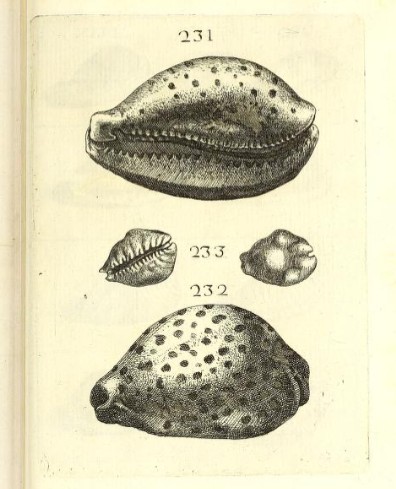
Ulisse aldrovandi nel 600 associava il loro nome alla bellezza “pulchritudine” e allo splendore della conchiglia …
da : Ulyssis Aldrovandi… Historiam naturalem…de animalibus insettis
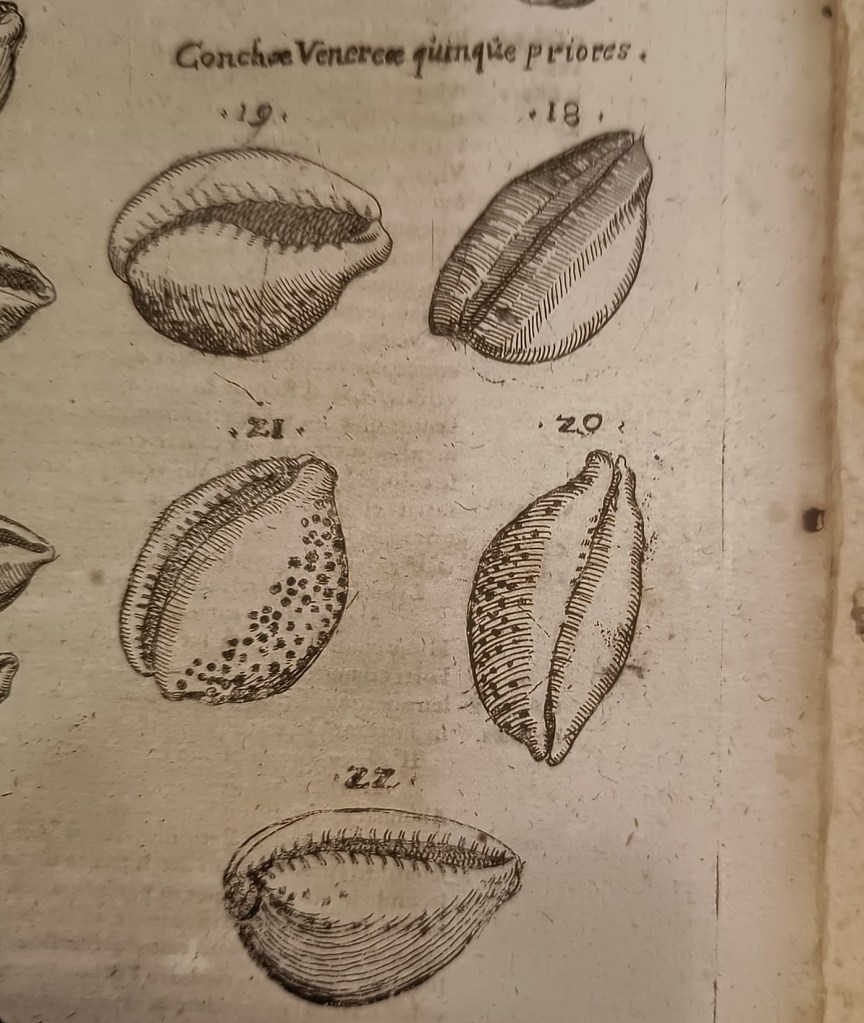
altro nome con cui venivano chiamate era Porcellane da Gesnero (Conrad Gesner) nel 1530 ..
another name by which they were called was Porcellane da Gesnero (Conrad Gesner) in 1530
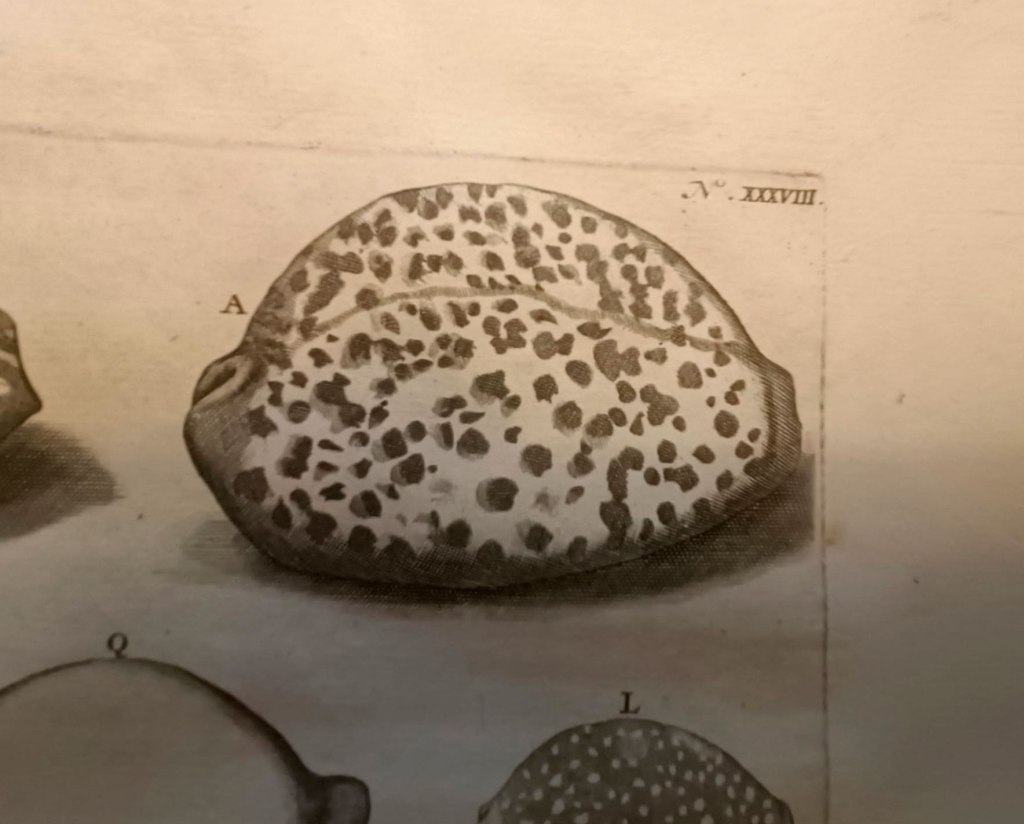
Nel 1702 Rumphius ne suo libro “La Camera delle Curiosità di Amboin” la chiamava “guttata”, “era la più grande e entrava in un pugno” …
n 1702 Rumphius in his book “D’Amboinsche Rariteitkamer” called it “guttata”, “it was the largest and could fit in a fist” …
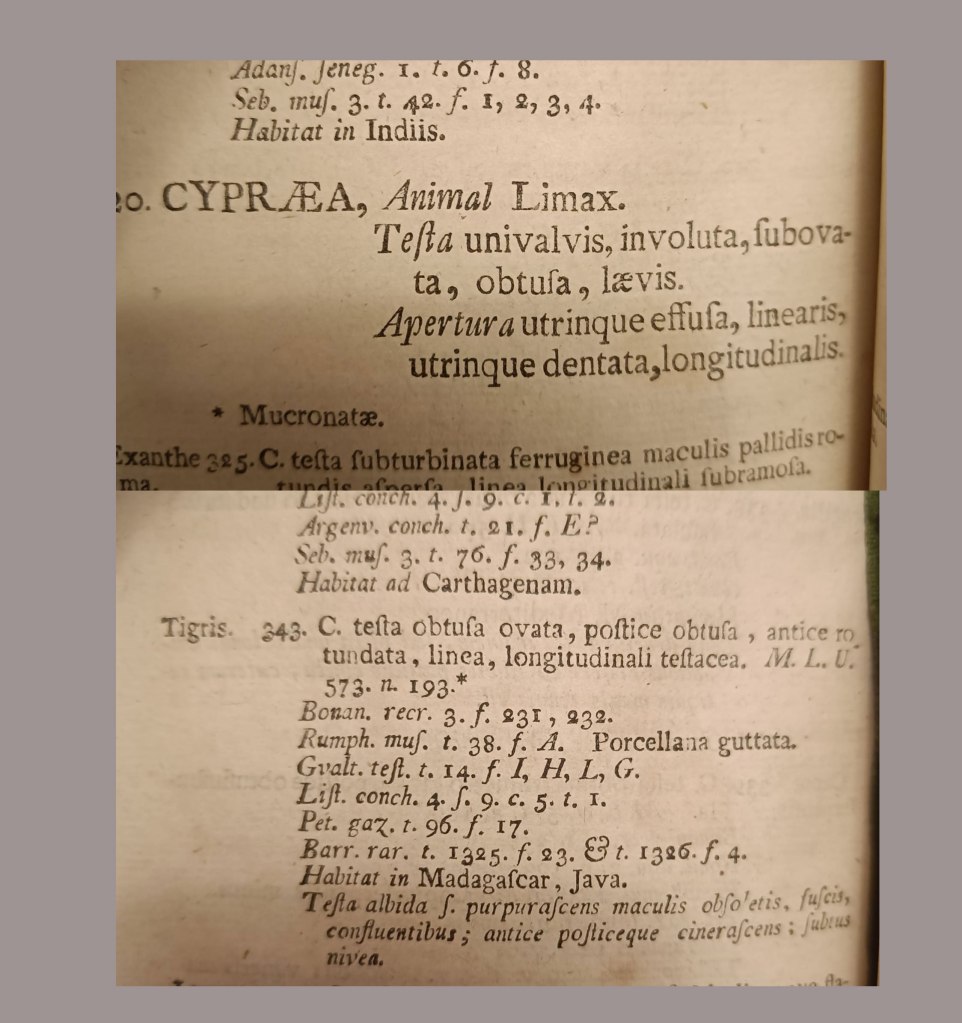
Linneo poi nella metà del 700 con il suo “Systema Naturae” la chiama cypraea tigris il nome attuale
Linnaeus then in the mid-18th century with his “Systema Naturae” called it cypraea tigris, its current name
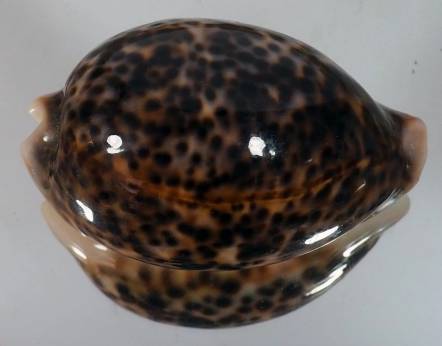
Un’altro parente stretto della Cypraea Pantherina catulus è la cypraea Pantherinadescritta da lightfoot nel 1786, come vedete dalla foto la cypraea pantherina si presentapiù allungata e con una dentatura diversa.
Another close relative of the Cypraea Pantherina catulus is the Cypraea Pantherinadescribed by Lightfoot in 1786. As you can see from the photo, the Cypraea Pantherina ismore elongated and has a different dentition.
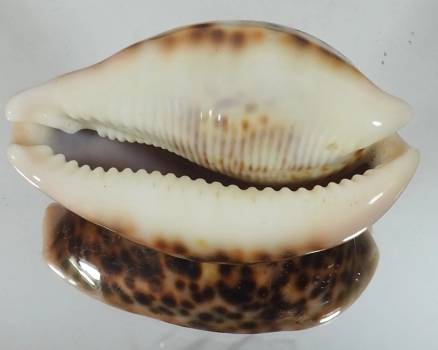
Ma torniamo alla forma “Catulus” descritta da ·Schilder, nel 1924
L’areale di raccolta dei miei numerosi esemplari, è questa parte (nella cartina geografica) della Somalia nel Golfo di Aden.
But let’s return to the “Catulus” form described by Schilder in 1924.
The collection area of my numerous specimens is this part (on the map) of Somalia in the Gulf of Aden.
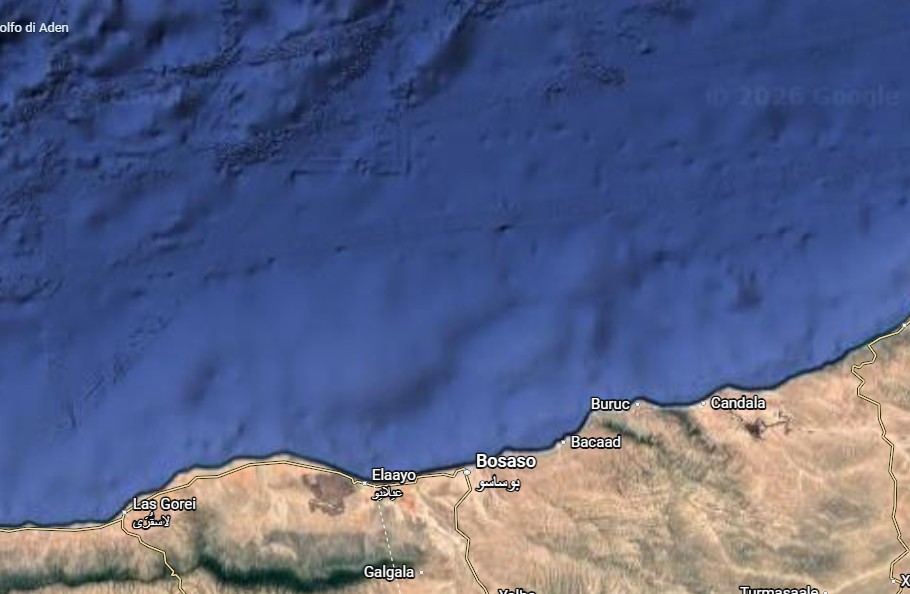
I pescatori locali mi raccontavano : “le troviamo in vaste aree di bassa marea a 3 metri”.
Cercherò di selezionare e mostrare alcuni dei miei esemplari collezionati nel tempo, cercando di differenziarli per forma e colore. Va anche detto che per anni si è parlato di un possibile ibrido con la cypraea tigris, ma sembra che attualmente non ci sono studi che lo comprovano.
Local fishermen told me, “We find them in vast low-tide areas at 3 meters.”
I’ll try to select and display some of the specimens I’ve collected over time, trying to differentiate them by shape and color. It should also be noted that for years there has been talk of a possible hybrid with the cypraea tigris, but there currently appears to be no studies to support this.
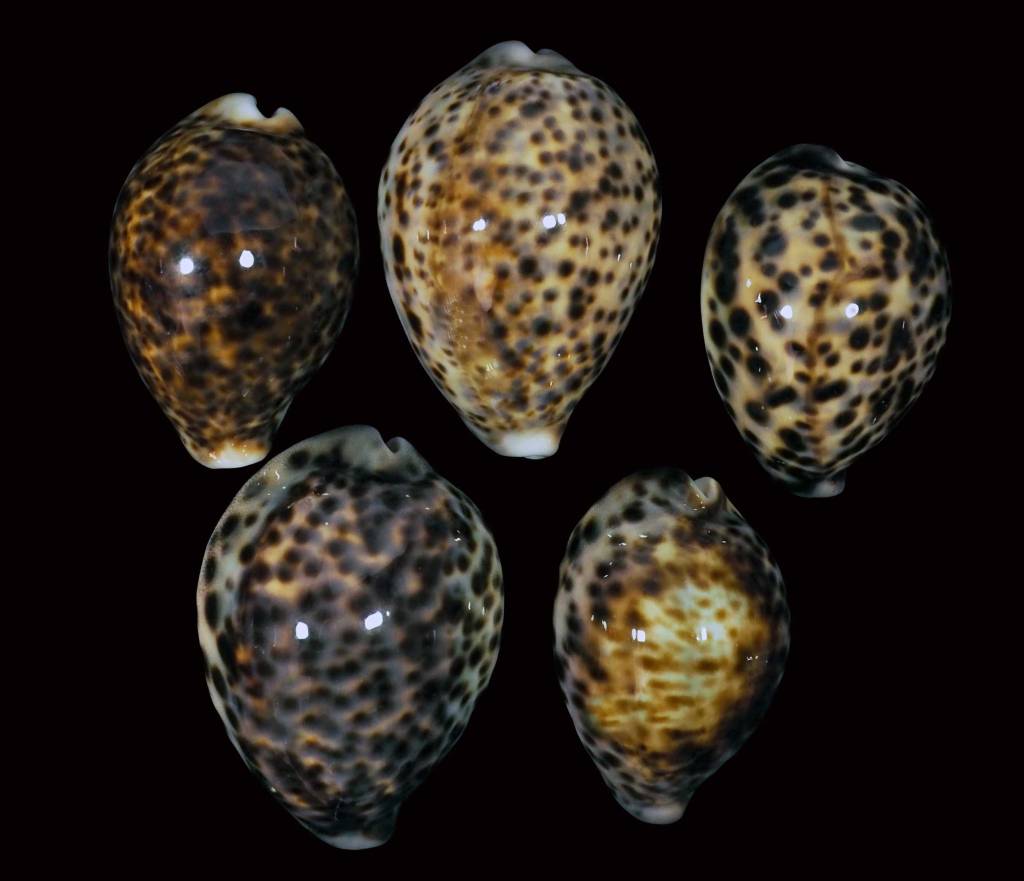
1 Forma estrema max 95mm assomigliano di piu a Cypraea Tigris
1 Extreme form big 95mm close cypraea tigris
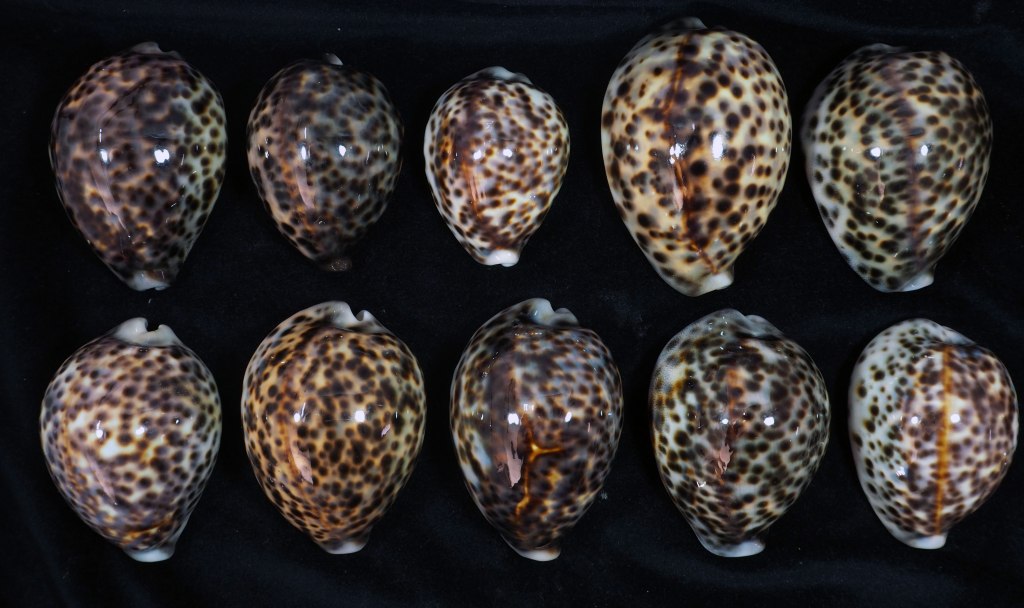
2 forma intermedia max 85mm
3 Intermediate form max 85mm
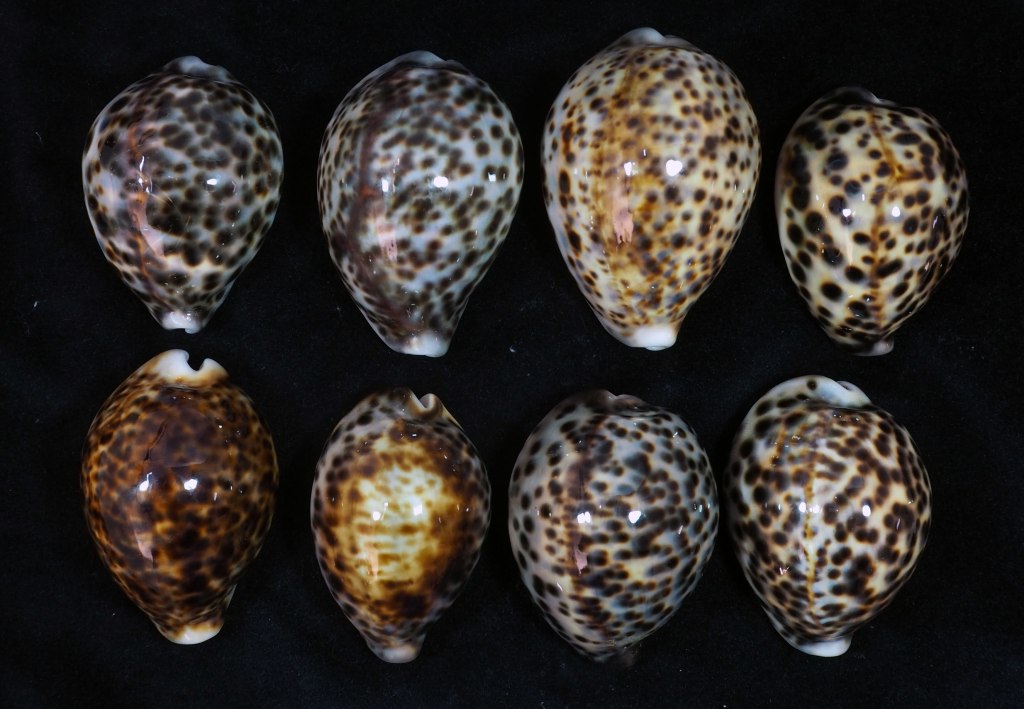
3 Catulus forma base
3 Catulus basic form
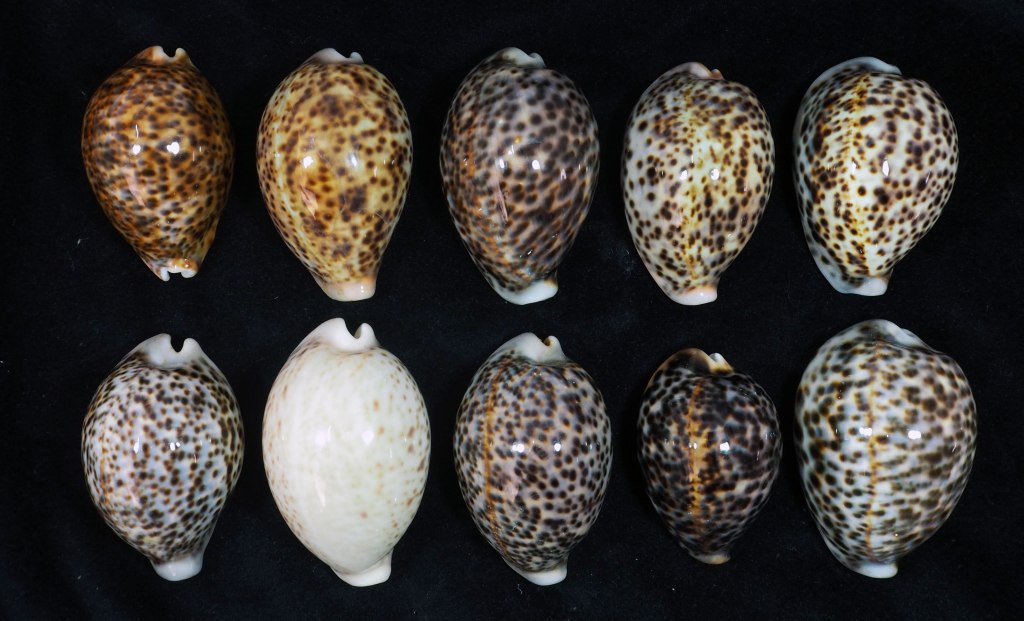
4 Juvenile form
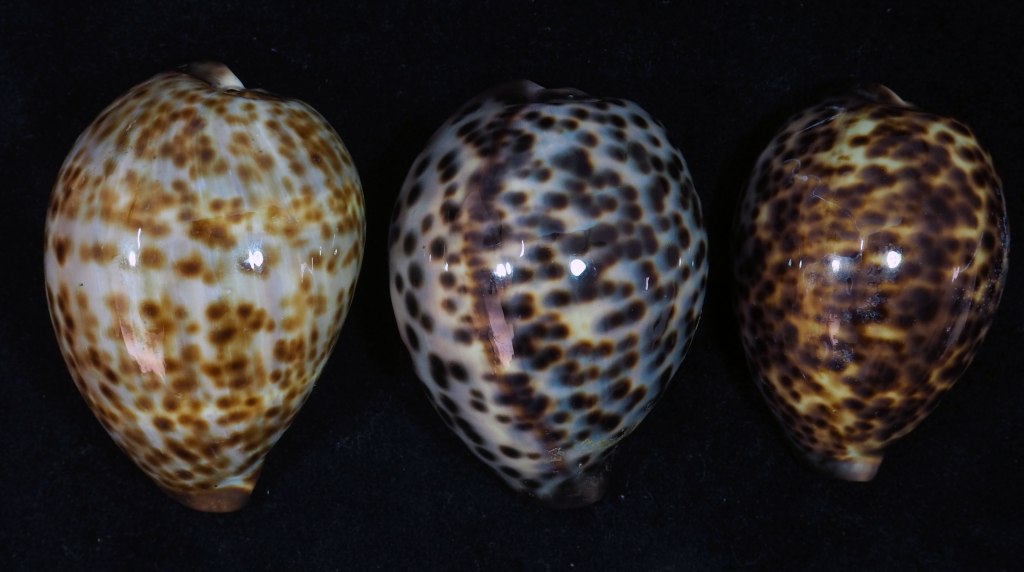
 Old collection /Wildlife photography on the road